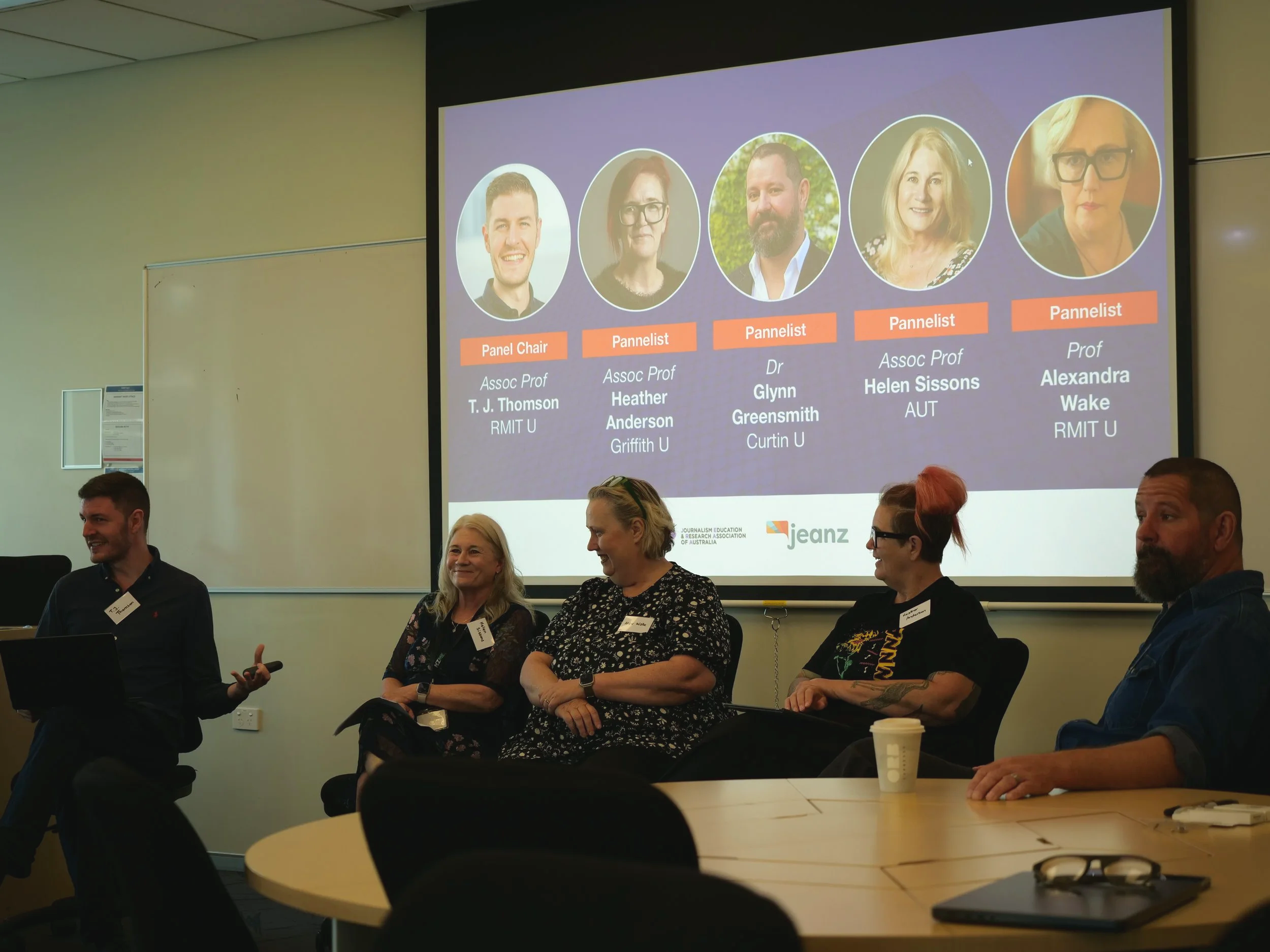
Today was my first full day in New Zealand for this year’s journalism-focused conference at Auckland University of Technology. The day was focused on PhDers and ECRs. The first panel had some nice pieces of advice for new academics.
Alex Wake stressed the importance of exercise and “mental cleanse” that it provides. This is especially important considering how much time academics spend sitting at their desks. I completely relate, and agree. For me, my exercise of choice throughout my PhD was Aikido. I managed to train 2-3 times per week and it was essential for maintaining a minimal level of fitness.
Others on the panel had some nice quotes that I liked enough to note down. When talking about “success” we were encouraged to clarify what success means to us. Glynn Greensmith said that “strategy and scope” is crucial for success” and that we should be careful not to bite off more than we can chew.
Making friends and "networking” was a hot topic. When talking to people, at conferences for example, Glynn said, “if you want to be interesting, be interested”. I like that. Panelists reminded us that it is a small world. Heather Anderson suggested that it is best practice to not diss people. And Helen Sissions said that “it matters that you are a nice human being”. I was also glad to hear that Helen mentioned the Centre for Media Transition newsletter when asked about how she stays up to date with industry news.

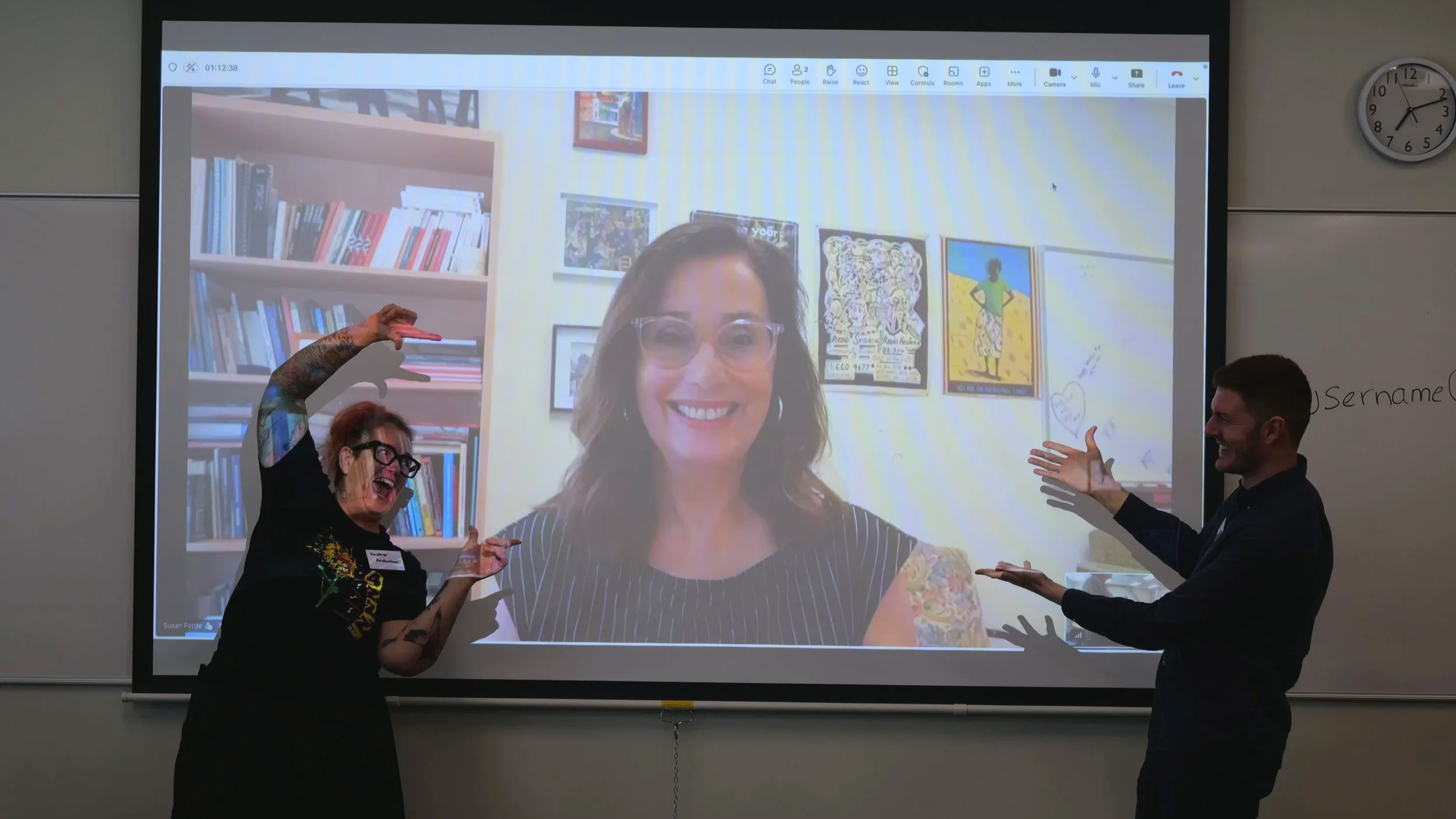
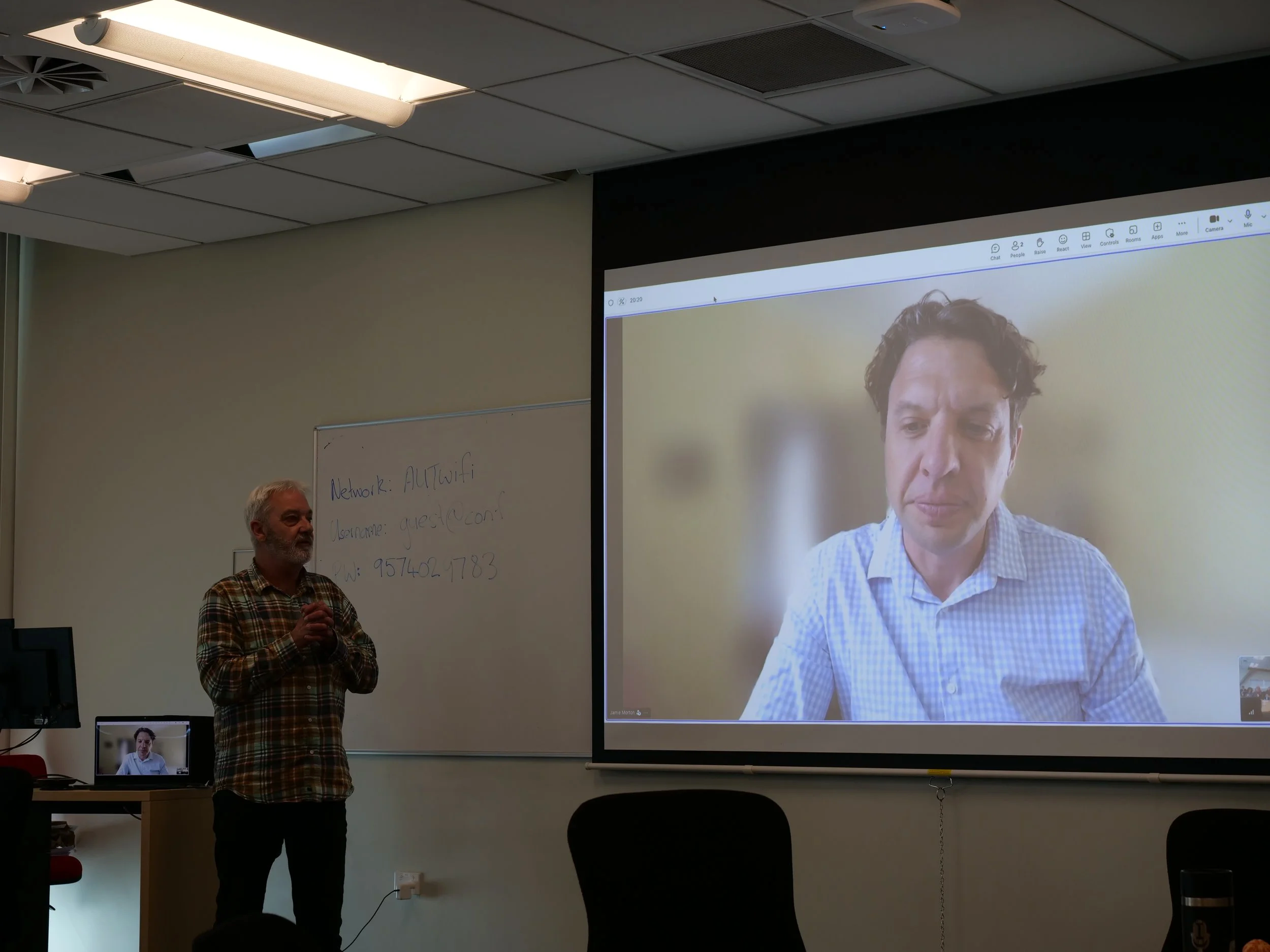

The panel on Strategic Research Publishing was enjoyable and thought provoking. Susan Forde said that ECRs often fall into a trap of publishing whatever they can wherever they can. She suggested ERCs spend time reflecting on these questions:
Who are you as a researcher?
What field are you contributing to?
What do I want to be known for?
These are interesting questions for me as my PhD involved law, digital video platforms and journalism theory informed by a political science theoretical lens. Which field am I contributing to?
Jamie Morton from the Conversation NZ gave some interesting insights into his work and the reach of the platform. One tip he mentioned for someone pitching an article was to aim for a reader age of 16 and to not write for academic audiences. It was interesting to hear how he emphasised that writing for the Conversation is a collaborative process between academic and editors.